What Are the Main Pumpkin Seeds Benefits for Men and Women?
Pumpkin seeds benefits include adding plant protein, unsaturated fats, magnesium and zinc to your diet. These nutrients support normal muscle function, immunity and everyday nutrition. The seeds also provide some fibre, although shelled green kernels contain less fibre than seeds eaten with their outer shells.
A small serving can make breakfast, salads or an afternoon snack more nutritious. However, pumpkin seeds are a food, not a treatment for diabetes, hair loss, infertility or other medical conditions.
Here is a practical guide to their nutritional value, benefits for men and women, preparation options and easy ways to enjoy them.
What are pumpkin seeds?

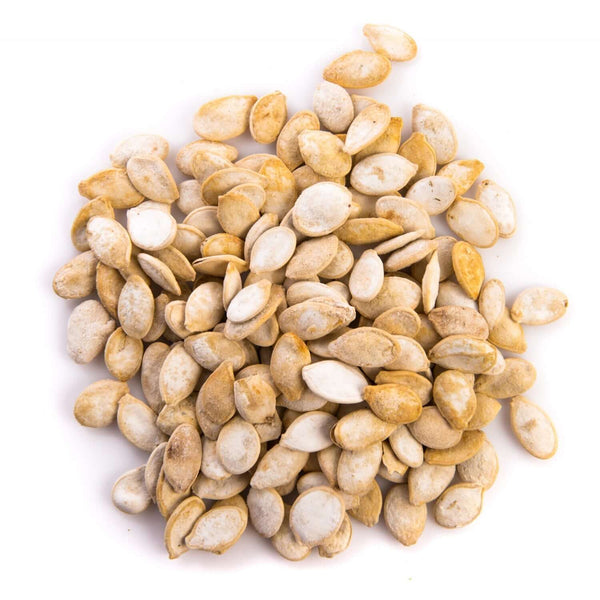
Pumpkin seeds are edible seeds that can be eaten raw or roasted. The white seeds found inside many pumpkins have an outer shell. The green kernels commonly sold for snacking are often called pepitas.
This difference matters when reading nutrition information. Figures for whole seeds, shelled kernels, raw seeds and roasted products are not always interchangeable.
If you want a versatile ingredient for breakfast bowls and savoury dishes, explore Happilo Natural & Raw Pumpkin Seeds. Read the pack for its ingredients, serving size and storage guidance.
Pumpkin seeds benefits at a glance
Their nutritional advantages are easiest to understand by looking at what the seeds contribute to a balanced diet.
| Nutrient or feature | Everyday role |
|---|---|
| Plant protein | Contributes to daily protein intake |
| Unsaturated fats | Fits a heart healthy eating pattern |
| Magnesium | Supports normal muscle and nerve function |
| Zinc | Supports normal immunity and wound healing |
| Some dietary fibre | Contributes to overall fibre intake |
| Convenient preparation | Adds variety to meals and snacks |
For reference, NIH food tables list 156 mg of magnesium and 2.2 mg of zinc in one ounce, approximately 28 grams, of roasted pumpkin seeds. These are general reference values, not laboratory results for Happilo products.
Pumpkin seeds benefits for everyday health
They add plant protein to meals
Pumpkin seeds offer another way to include plant protein in vegetarian eating. Use them alongside dal, beans, chickpeas, tofu or curd instead of expecting a small topping to provide all the protein in a meal.
For example, sprinkle kernels over a chickpea salad or add them to savoury oats. This gives your meal another texture and broadens the range of ingredients you eat.
One of the practical pumpkin seeds benefits is convenience: there is little preparation involved when using kernels sold ready to eat.
Their fats can fit a heart healthy diet
Replacing some saturated fat with unsaturated fat can help lower LDL cholesterol as part of an appropriate eating pattern. Nuts and seeds are among the foods that provide unsaturated fats. American Heart Association guidance.
The useful habit is substitution. A measured portion of plain seeds can replace a buttery snack, rather than simply adding extra calories to your usual food intake.
Choose products with ingredients that suit your needs, especially if you are watching sodium or added sugar.
Magnesium contributes to normal body functions
Magnesium is involved in energy production, muscle and nerve function, and bone development. Pumpkin seeds are one dietary source of this essential mineral. NIH magnesium fact sheet.
This helps explain several pumpkin seeds benefits without suggesting that one food fixes fatigue, cramps or poor sleep. Persistent symptoms may have causes unrelated to magnesium intake.
Build variety through vegetables, pulses, whole grains, nuts and seeds. A varied diet makes more sense than depending on a single ingredient.
They contribute to fibre intake
Fibre helps support bowel regularity, but the amount in pumpkin seeds depends partly on whether the shell is present. Shelled kernels contain less fibre than whole seeds.
Include other fibre foods, such as fruit, vegetables, oats and beans. Increase fibre gradually and drink enough fluids to help it work effectively
A small sprinkle of seeds is an addition to this pattern, not a replacement for these other foods.
Pumpkin seeds benefits for men
For men, pumpkin seeds contribute the same useful nutrients that support general health in other adults. Their protein, fats and minerals can fit meals designed around individual activity levels and dietary needs.
Searches for male health often focus on testosterone, fertility and prostate function. These topics need careful interpretation. Eating ordinary portions of pumpkin seeds has not been established as a reliable way to boost testosterone or treat infertility.
Some prostate and urinary research involves oils, extracts or combinations with other ingredients. Those findings cannot automatically be applied to a handful of raw kernels. Cleveland Clinic discusses the preliminary evidence.
The most defensible pumpkin seeds benefits for male nutrition are their contribution to a varied diet. Persistent urinary symptoms or fertility concerns need individual medical advice.
Pumpkin seeds benefits for female nutrition
Women can include pumpkin seeds as a convenient source of dietary variety. Magnesium and zinc contribute to normal body functions, while the seeds can complement meals containing pulses, vegetables and other protein foods.
Iron requirements vary across life stages. If you are concerned about low iron, do not rely on seeds alone. The body absorbs plant iron differently, and vitamin C foods can help its absorption.
Try a seed topping on a bean salad with tomatoes or lemon dressing. This is an easy meal idea, rather than a treatment for anaemia.
Claims about balancing hormones, curing PCOS or relieving menopause symptoms should not be assumed from nutritional content alone. Food choices can support wellbeing alongside appropriate care.
Pumpkin seeds benefits for hair
Pumpkin seeds can contribute nutrients to an adequate diet, but eating them does not guarantee hair regrowth. Hair loss has several possible causes, so identifying the cause matters more than choosing one fashionable ingredient.
A small randomised trial studied a pumpkin seed oil preparation in men with androgenetic alopecia. It reported improved hair counts compared with placebo over 24 weeks. However, the intervention was an oil preparation, not ordinary servings of whole seeds.
The distinction is essential when discussing pumpkin seeds benefits: evidence about a particular supplement does not establish the same effect from a food.
For persistent shedding, thinning or patchy loss, seek a professional assessment rather than delaying care while trying dietary remedies.
Pumpkin seeds benefits for skin
Pumpkin seeds provide zinc, which contributes to normal wound healing and protein synthesis. This gives them a role within adequate nutrition, rather than making them a standalone skincare treatment.
There is no reason to promise that a daily serving will remove acne, erase wrinkles or create a visible glow. Skin health depends on multiple factors, including overall nutrition, sun exposure and appropriate skincare.
Enjoy the seeds in meals you like, while keeping expectations realistic. Their nutritional value is useful even without a dramatic cosmetic result.
Soaked pumpkin seeds benefits: what changes?
Soaking softens pumpkin seeds, which can make them easier to blend into chutneys, dips or dressings. This is a practical preparation choice if you prefer a softer texture.
Phytate in plant foods can reduce absorption of some minerals. NIH notes that soaking certain plant foods before cooking can help reduce zinc binding by phytates. However, that does not establish a specific improvement from every home soaking method.
Avoid assuming that soaked seeds automatically deliver more nutrition than raw or roasted seeds. The effect depends on the food and preparation conditions.
Use clean utensils and drinking water, keep soaking seeds refrigerated, and prepare only what you plan to use promptly. Soaking is optional for kernels sold ready to eat.
Roasted pumpkin seeds benefits: taste and convenience
Roasting gives pumpkin seeds a nuttier flavour and crunchy texture. It can make them more enjoyable as a snack or topping, while they remain a useful ingredient in a balanced diet.
Preparation matters. A heavily salted or sugar coated product differs from a plain roasted option. Check the ingredient list and nutrition panel rather than judging the product by the word “roasted” alone.
For home cooking, toast a small batch gently, stir frequently and avoid burning. Let the seeds cool before storing them according to suitable food storage guidance.
The everyday pumpkin seeds benefits are easier to enjoy when the preparation matches your taste and meal routine.
Comparing pumpkin seeds benefits: raw, soaked and roasted
| Preparation | Best suited to | What to consider |
|---|---|---|
| Raw kernels | Oats, yoghurt and blended recipes | Follow pack instructions |
| Soaked kernels | Chutneys, dips and softer textures | Refrigeration and prompt use |
| Roasted kernels | Snacks, salads and soup toppings | Added salt, sugar and oil |
There is no universal winner. Choose the form you enjoy and can prepare safely. You do not need to soak or roast ready to eat kernels to make them part of your diet.
How many pumpkin seeds should you eat daily?
A small handful, around 28 grams, is a practical portion for many adults. This is a general serving idea, not a medical dose or a requirement to eat seeds daily.
Use the product label and your overall eating pattern to guide portions. Seeds are calorie dense, so account for other nuts, seeds and nut butters you eat.
Measure a serving initially instead of estimating directly from a large packet. Smaller amounts also work well as toppings.
To enjoy pumpkin seeds benefits consistently, choose a portion that fits your appetite, preferences and any personalised dietary advice.
How to enjoy pumpkin seeds benefits in Indian meals
For a quick lunch, combine cooked chickpeas, cucumber, tomato and coriander, then add lemon juice and a small seed topping. Adjust the seasoning to suit your usual dietary preferences.
Start with a dish you already make regularly:
- Sprinkle kernels over poha or upma before serving.
- Add a spoonful to cucumber raita.
- Stir them into oats with fruit.
- Blend them into coriander and mint chutney.
- Finish vegetable soup with a crunchy topping.
- Mix a measured portion with roasted chana.
- Add them to a chickpea salad with lemon dressing.
For a simple pantry option, browse Happilo raw pumpkin seeds for everyday recipes. Explore the wider range of nuts, seeds and dried fruits on the Happilo homepage.
Frequently asked questions
Can pumpkin seeds reduce belly fat?
No food selectively removes belly fat. Seeds can fit a weight management plan, but portions and overall eating habits matter. Adding unlimited seeds will also add calories.
Can you eat pumpkin seeds every day?
Yes, if you tolerate them and the portion fits your diet. Daily use is optional; rotating different foods supports variety and makes meals more interesting.
Do pumpkin seeds improve sleep?
They contain tryptophan, but an ordinary serving is not an established treatment for insomnia. Consider persistent sleep difficulties separately from general nutrition.
Are pumpkin seeds suitable for people with diabetes?
They may fit an individual meal plan, particularly as a plain, portioned ingredient. They do not replace medication or guarantee lower blood sugar. Follow your clinician's dietary guidance.
Make pumpkin seeds part of a balanced routine
Pumpkin seeds benefits are best understood through their nutritional contribution and everyday versatility. Start with a measured portion, try a preparation you enjoy and keep your overall diet varied.
You can view the Amazon buying option and connect with Happilo on Instagram.
Caution: Avoid pumpkin seeds if you are allergic, eat them in moderation, and consult a healthcare professional if you have specific medical concerns or follow a prescribed diet.