High Protein Dry Fruits: 9 Nuts and Seeds Compared
Looking for high protein dry fruits to add to your diet? Almonds, pistachios and other nuts can contribute protein while adding flavour and crunch to everyday meals. Seeds such as pumpkin and sunflower seeds offer more options.
But do dry fruits have protein in equal amounts? No. Nuts and seeds generally provide more protein than sweet dried fruits such as dates. Understanding this difference helps you choose foods that suit your needs.
This guide compares nine popular options, shows protein amounts in practical portions and helps you find the best dry fruit for protein in your routine.
Do Dry Fruits Have Protein?
Yes, but “dry fruits” is a broad shopping term. In everyday Indian usage, it often includes nuts such as badam, kaju, pista and akhrot, alongside fruits such as raisins and dates.
These foods belong to different categories:
- Nuts: Almonds, pistachios, cashews and walnuts.
- Seeds: Pumpkin, sunflower, flax and chia seeds.
- Legumes: Peanuts, which are commonly eaten like nuts.
- Dried fruits: Fruits such as raisins and dried apricots; dates are also commonly sold in this category.
This article includes nuts and seeds because they are relevant when comparing protein-containing snacks. The category labels help you understand exactly what you are choosing.
High Protein Dry Fruits: Protein per 100g and per Serving
Comparing equal weights is useful, but your actual portion matters too. Here is how the nine options compare.
| Food | Category | Protein per 100g | Protein per 30g |
|---|---|---|---|
| Pumpkin seed kernels, roasted, unsalted | Seed | 29.8g | 8.9g |
| Peanuts, dry roasted | Legume | 24.4g | 7.3g |
| Almonds | Nut | 21.2g | 6.4g |
| Pistachios, dry roasted | Nut | 21.1g | 6.3g |
| Sunflower seed kernels, dry roasted, salted | Seed | 19.3g | 5.8g |
| Flax seeds | Seed | 18.3g | 5.5g |
| Chia seeds, dried | Seed | 16.5g | 5.0g |
| Cashews, dry roasted | Nut | 15.3g | 4.6g |
| English walnuts | Nut | 15.2g | 4.6g |
Values are approximate and represent generic foods, not specific Happilo products. The 30g figures are calculated from per-100g values and rounded. Portions exclude shells. Variety and preparation affect nutrition, so check your product label. A 30g portion is used for comparison, rather than a recommendation to eat that amount of every food.
Source: USDA-based nutrition comparison of nuts and seeds.
Which Dry Fruit Has the Highest Protein?
Among the tree nuts in this comparison, almonds and dry-roasted pistachios provide similar amounts of protein. Peanuts provide more by weight, although they are legumes. If you include seeds, pumpkin seed kernels lead this particular list.
There is no single answer covering every food sold as dry fruits. The variety, preparation and foods being compared all matter.
Use the table as a starting point, then compare the nutrition labels of the products you plan to buy.
9 Protein-Containing Nuts and Seeds for Your Diet
1. Almonds: Convenient for Everyday Snacking
Almonds, or badam, are easy to carry and use in meals. Alongside protein, they provide vitamin E, fibre and predominantly unsaturated fat.
Try them: Add chopped almonds to oats, sprinkle them over plain yoghurt or pack a small portion for a snack.
2. Pistachios: A Versatile Crunchy Addition
Pistachios, also called pista, work well in both sweet and savoury recipes.
Try them: Scatter chopped kernels over a breakfast bowl or add them to a chickpea salad with cucumber, tomato and lemon. When weighing your portion, exclude the shells.
3. Peanuts: Another Option for Your Snack Rotation
Peanuts belong to the legume family but are commonly eaten alongside nuts. Including them makes the comparison more useful for readers choosing between familiar snacks.
Try them: Add roasted peanuts to vegetable poha, mix them into a salad or pack a measured portion for later. Compare plain and seasoned varieties using the ingredients and nutrition label.
4. Cashews: Useful in Snacks and Cooking
Cashews, or kaju, are easy to incorporate into everyday dishes.
Try them: Add chopped cashews to a vegetable stir-fry or blend a small amount into a curry for a creamy texture. Include dal, beans or tofu in the meal to bring in other protein foods.
5. Walnuts: Add Variety to Breakfast
Walnuts, or akhrot, offer a distinctive flavour and contain the plant omega-3 fat alpha-linolenic acid, or ALA.
Try them: Break walnuts into pieces and add them to porridge, or combine them with chopped apple and plain yoghurt.
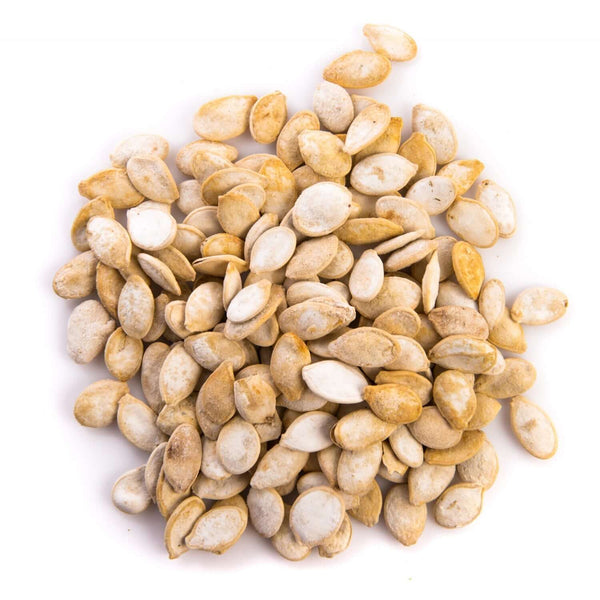
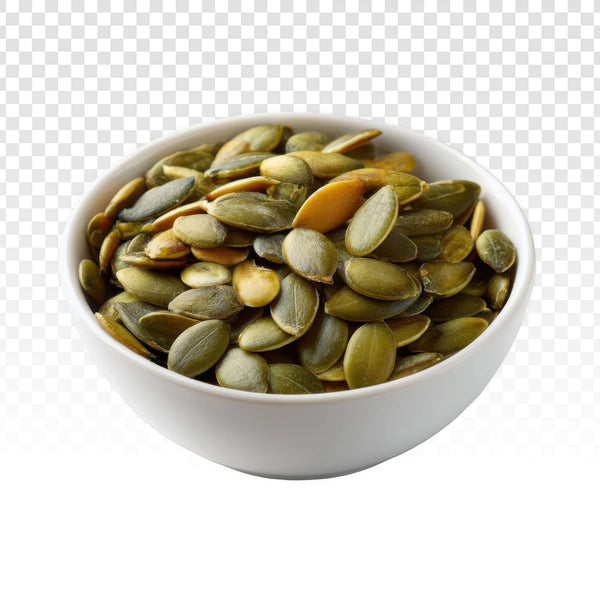
6. Pumpkin Seeds: Easy to Sprinkle Over Meals
Pumpkin seeds are a convenient choice when you want to add texture without chopping nuts.
Try them: Sprinkle edible kernels over soups, salads or breakfast bowls. Measure your portion before adding it rather than pouring directly from the pack.
7. Sunflower Seeds: A Savoury Topping
Sunflower seed kernels fit into salads, vegetable dishes and homemade snack mixes.
Try them: Add them to cooked chickpeas with grated carrot and lemon dressing. Check for added salt when comparing different packs.
8. Flax Seeds: Mix Into Everyday Recipes
Ground flax seeds are easy to incorporate into breakfast and baking.
Try them: Stir a small amount into oats or yoghurt, or mix them into pancake batter. Calculate nutrition from the amount you use—a spoonful is much smaller than the 100g reference amount.
9. Chia Seeds: Useful for Make-Ahead Breakfasts
Chia seeds work well in recipes prepared ahead of time.
Try them: Stir them thoroughly into milk or yoghurt and allow the mixture to thicken before eating. Add chopped fruit before serving, and use the ingredient labels to estimate protein in the complete recipe.
Does Dried Fruit Have Protein?
Yes, dried fruit can contain protein, but it is different from nuts and seeds.
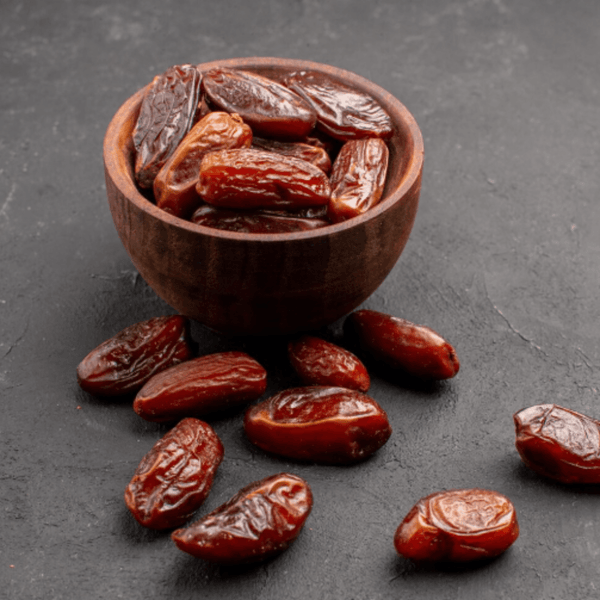
For example, Medjool dates provide approximately 1.8g protein per 100g, or about 0.5g in a 30g portion. They contain much more carbohydrate than protein.
Dates can add sweetness to porridge or homemade snacks, but they should not be presented as a high-protein food. In a date-and-nut snack, the nuts contribute much more of the protein.
If protein is your priority, compare the label rather than assuming every item in a dry-fruit mix contributes equally.
How to Choose the Best Dry Fruit for Protein
The best choice depends on how you plan to eat it.
| Your preference | Options to consider |
|---|---|
| A portable snack | Almonds, pistachios or peanuts |
| A topping for savoury meals | Pumpkin or sunflower seed kernels |
| An addition to breakfast recipes | Chia seeds or ground flax seeds |
| Variety in flavour and texture | Cashews or walnuts |
Look beyond protein alone. Compare portion sizes, calories, ingredients and added sugar or salt.
Nuts are calorie-dense, so a larger serving also adds more energy. Choose a portion that fits the rest of your meals.
How to Include These Foods in Your Fitness Diet
Use nuts and seeds alongside a variety of protein foods. Depending on your preferences, these can include lentils, beans, soy foods, dairy, eggs, fish or meat.
Here are four simple meal ideas:
- Breakfast: Plain yoghurt with chopped almonds and fruit.
- Lunch: Chickpea salad topped with pumpkin seeds.
- Snack: A measured portion of pistachios alongside milk or a suitable soy drink.
- Dinner: Tofu or paneer with vegetables and a cashew topping.
Consider the complete meal when estimating protein. Nuts and seeds can contribute, but they do not need to carry the whole meal’s protein content.
Frequently Asked Questions
Are almonds or cashews better for protein?
In the preparations compared above, almonds provide more protein per equal weight than dry-roasted cashews. Both can add variety to meals; check the pack’s label for the product you choose.
Are seeds considered dry fruits?
Seeds are a separate category, although shops often sell them alongside dry fruits and nuts. They are included here to help you compare relevant snack and topping options.
How much protein is in a handful of dry fruits?
It depends on the ingredients and the weight of your handful. Weigh your usual portion and use the product’s nutrition panel to calculate its protein content.
Can a dry-fruit mix be high in protein?
Its protein content depends on the mix. A product containing mostly nuts and seeds will have a different nutritional profile from one containing mostly dates or raisins. Compare the protein figure and serving size on the label.
Choose a Combination That Fits Your Meals
Start with one easy addition: almonds at breakfast, pumpkin seeds over lunch or pistachios for a portable snack.
Explore Happilo’s almonds, pistachios and seed range. Compare the labels and choose the flavours and portions that suit your everyday routine.